
If you are new to SEO, start with our guide on SEO Foundations for Nonprofits, which covers the core principles before exploring these advanced trends.
Search engine optimization (SEO) is changing faster than ever. For years, SEO focused mainly on keywords, backlinks, and technical setup. While these elements still matter, search engines have become far more sophisticated. Artificial intelligence (AI), evolving ranking systems like E-E-A-T, and new structured data formats now help search engines interpret meaning, context, and trustworthiness.
For nonprofits, this means visibility is no longer just about rankings. It depends on demonstrating credibility, sharing genuine expertise, and presenting information in ways that both people and search engines can easily understand.
Understanding AI-Driven Search
What’s changing
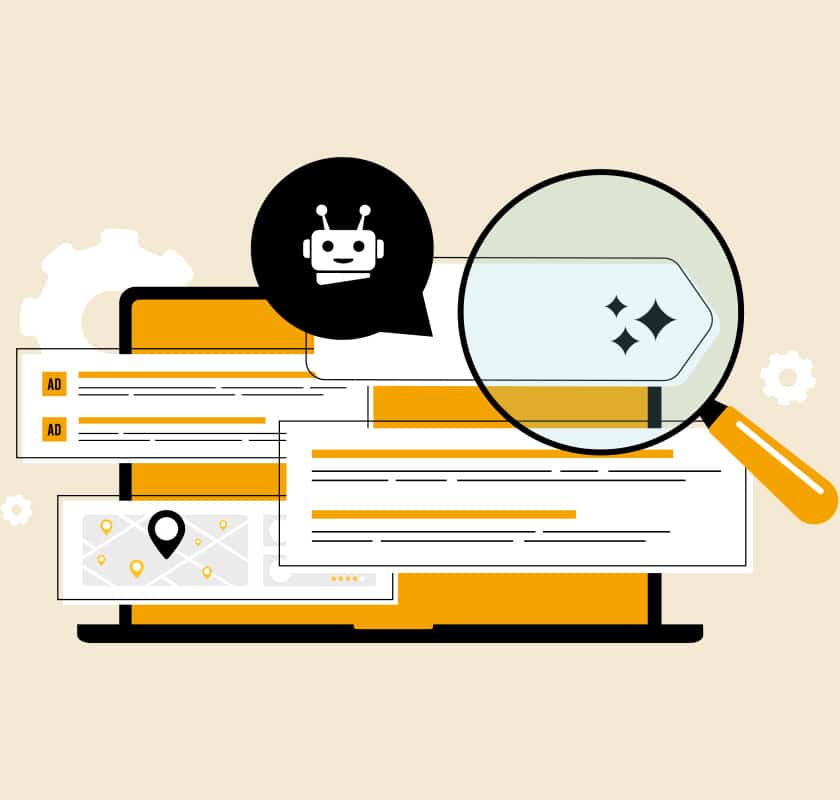
Search engines such as Google and Bing now use AI to generate summaries and answer questions directly in search results. Instead of a long list of links, users see short, AI-generated paragraphs that highlight key facts and trusted sources.
Why it matters
AI summaries often draw from websites that provide clear, well-structured answers. If your organization’s content responds to common questions such as “How can I donate to spinal cord research?” or “What support services exist for people with disabilities?”, it can appear in these AI responses and reach wider audiences.
How to optimize
- Write clear answers to common questions within your articles.
- Add FAQ sections to important pages and apply FAQPage schema where possible.
- Use plain, straightforward language that sounds natural to read aloud.
E-E-A-T: Experience, Expertise, Authoritativeness, and Trustworthiness
What it means
Google now considers who is providing the information as much as what the content says. E-E-A-T evaluates the credibility of a page or author:
- Experience – Do you or your organization have direct involvement in the topic?
- Expertise – Are your facts accurate and supported by reliable sources?
- Authoritativeness – Do other credible sites link to or reference your content?
- Trustworthiness – Is your website secure, transparent, and easy to verify?
How nonprofits can build E-E-A-T
- Include author bylines and brief bios that describe roles or credentials.
- Keep your About, Mission, and Impact pages current and detailed.
- Display testimonials, news features, and certifications that reinforce credibility.
- Use HTTPS and make it easy for visitors to contact your organization.
Structured Data and Schema Markup
What it is
Structured data is code that helps search engines understand what your content represents. It can produce enhanced results such as donation buttons, event listings, or FAQ snippets.
Examples that help nonprofits
- Organization schema: Adds your logo, contact details, and social links.
- Event schema: Promotes fundraisers or webinars directly in search results.
- FAQPage schema: Highlights common questions within your content.
- DonateAction schema: Identifies donation links for verified charities.
How to add it
Most SEO plugins, like Yoast or Rank Math, include easy schema tools. Choose the type that matches your content and complete the fields provided—no coding needed.
Core Web Vitals and Accessibility
Search engines now measure real user experience through metrics called Core Web Vitals, while accessibility standards ensure everyone can interact with your site effectively.
Aim for the following performance goals:
- Largest Contentful Paint (LCP): under 2.5 seconds.
- Cumulative Layout Shift (CLS): below 0.1.
- Interaction to Next Paint (INP): under 200 milliseconds.
Improving accessibility—such as adding alt text, using correct heading levels, and maintaining strong colour contrast—benefits users and improves search performance at the same time.
AI Tools and Content Creation
AI writing tools can help with research, outlines, and keyword ideas, but they should support your process rather than replace it. Search engines prefer original, experience-based writing that reflects genuine knowledge.
Use AI tools to brainstorm or refine structure, then edit everything to match your voice and ensure factual accuracy. For instance, you might use AI to identify trending search questions like “ways to give back locally” and then write authentic stories about your organization’s community work.
Ethical Link-Building and Partnerships
Backlinks, or links from other websites to yours, remain an important SEO factor. For nonprofits, the best backlinks come from partnerships and collaborations that align with your mission.
Practical ways to build links:
- Publish reports or toolkits that other organizations will cite.
- Collaborate on joint initiatives and share links naturally.
- List your organization on community directories or verified industry sites.
Avoid paid or low-quality link exchanges. Focus on meaningful relationships and high-trust sources.
AI Crawlers and Data Privacy
New AI crawlers such as GPTBot, ClaudeBot, and PerplexityBot collect public web content to train large language models. You can allow or block them in your robots.txt file depending on your preferences.
Allowing these crawlers helps your educational content appear in AI-generated summaries and reach new audiences. If your site contains sensitive data or unpublished materials, you can restrict their access for privacy.
Keeping Content Fresh and Reliable
Search engines value accurate, up-to-date information. Review your main pages at least once a year to update statistics, add new programs, and refresh partnerships. Use redirects if you retire pages so visitors and search engines find the new versions easily.
Adding a “last updated” date signals that your organization maintains active, trustworthy content.
Final Thoughts
The future of SEO centres on clarity, authenticity, and accessibility. AI technology continues to shape how people search, and Google’s emphasis on experience and trust ensures that quality content rises above simple keyword tactics.
For nonprofits, success lies in combining human storytelling with technical best practices. By keeping content current, maintaining accessible design, and showcasing real expertise, your organization can stay visible, credible, and impactful in an evolving digital landscape.